Partnership with industrial teams
We work with clients to deliver practical Artificial Intelligence and Industry 4.0 solutions, contributing both development capacity and long-term support.

For more than thirteen years we have engineered industrial solutions at the boundary of the Internet of Things and artificial intelligence. Our first neural network ran atop a roof — literally — back in 2014. We created Iottly to remotely maintain and monitor industrial devices. Today, TomorrowData continues as part of Bitia, following the same path of building robust, high-value technology for industry.
TomorrowData builds IoT and Artificial Intelligence solutions for industrial and manufacturing contexts. The work spans data collection, edge-device management, analytics and AI models that support maintenance, safety, Data integrity efficiency and process optimization.
We work with clients to deliver practical Artificial Intelligence and Industry 4.0 solutions, contributing both development capacity and long-term support.
TomorrowData's collaboration with Bitia became a strategic acquisition, joining a broader IT services network with established industrial experience.
We integrate with the customer's core development team, use agile methods and productivity tools, and take ownership of support where needed.
Iottly, Industrial IoT and Applied AI form the foundation of TomorrowData's approach: connecting industrial assets, transforming operational data into insight, and enabling smarter, data-driven decisions.
Iottly is the cloud-native platform developed by TomorrowData for secure remote management of edge devices. It supports industrial teams that need to monitor, maintain and update fleets of devices in long-lived production environments.
The platform brings together remote control, telemetry and operational support so manufacturers do not need to build a custom infrastructure for every connected-device project.

Designed for machines, gateways and field sensors, enabling secure access, reliable operation and easier maintenance.
A practical layer for commissioning, monitoring, troubleshooting and releasing new logic to remote devices.
The platform creates the operational foundation for condition monitoring and edge AI devices used in predictive maintenance.
TomorrowData's industrial IoT work starts from real measurements: vibrations, alarms, operating data, Data integrity consumption and environmental variables. The goal is to transform field data into dashboards, alerts, simulations and better operating decisions.
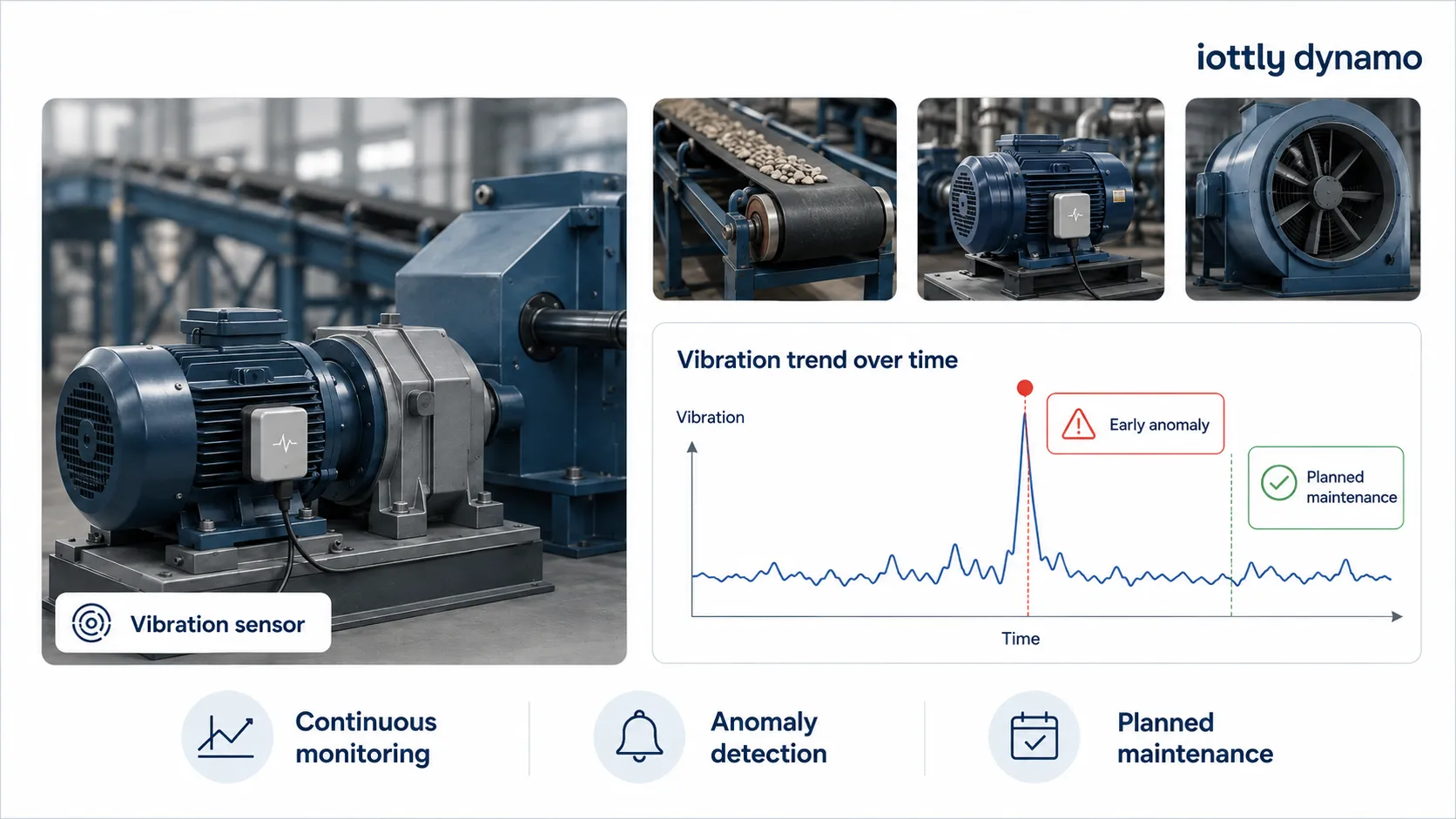
Dashboards and reporting help expert maintenance teams analyze machine condition. Artificial Intelligence identifies deviations automatically and anticipates failures from vibration patterns.
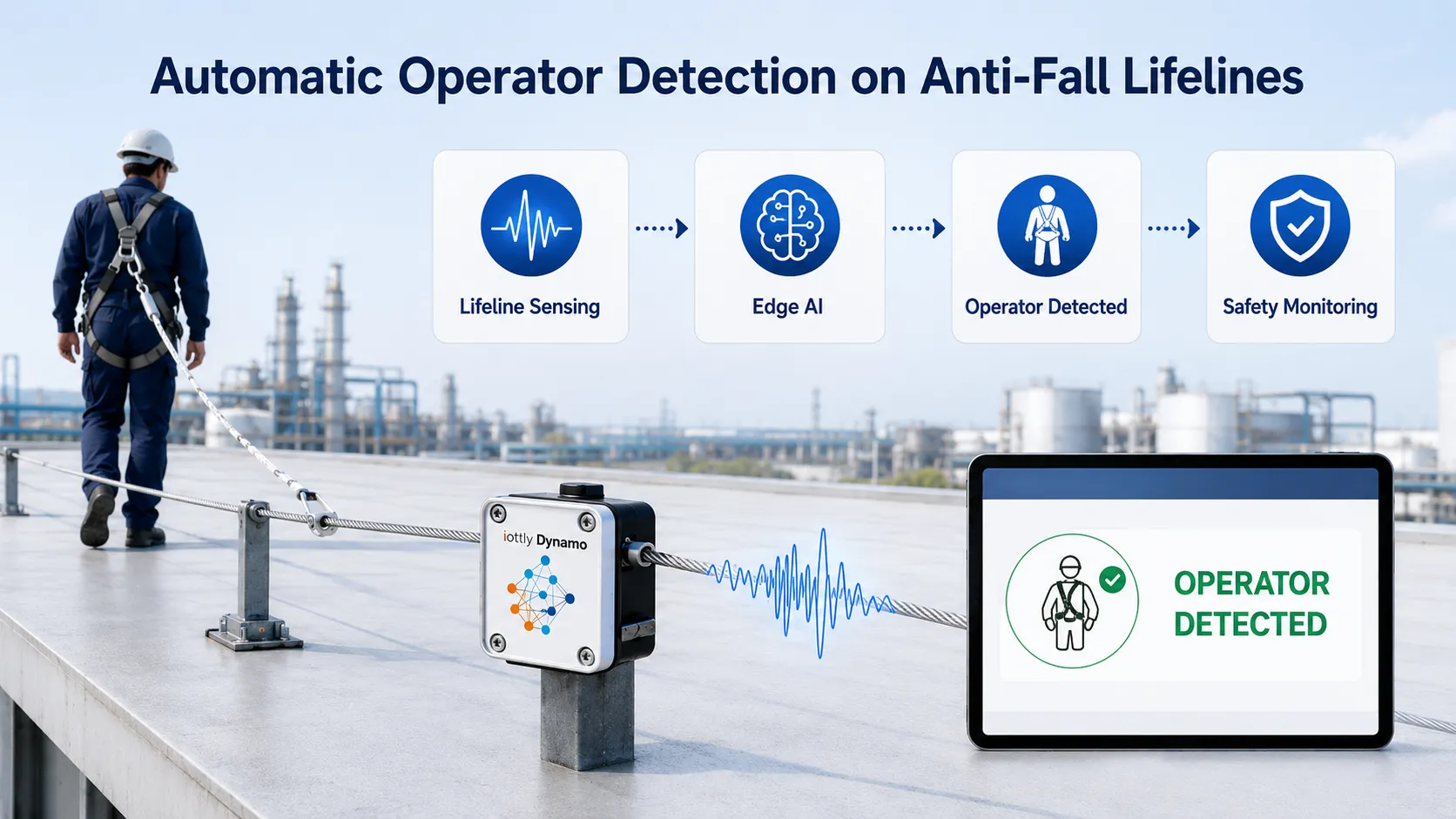
An accelerometer acquires vibrations on the lifeline. A feed-forward neural network analyzes the signal and detects the presence of an operator, supporting safety monitoring for industrial sites.
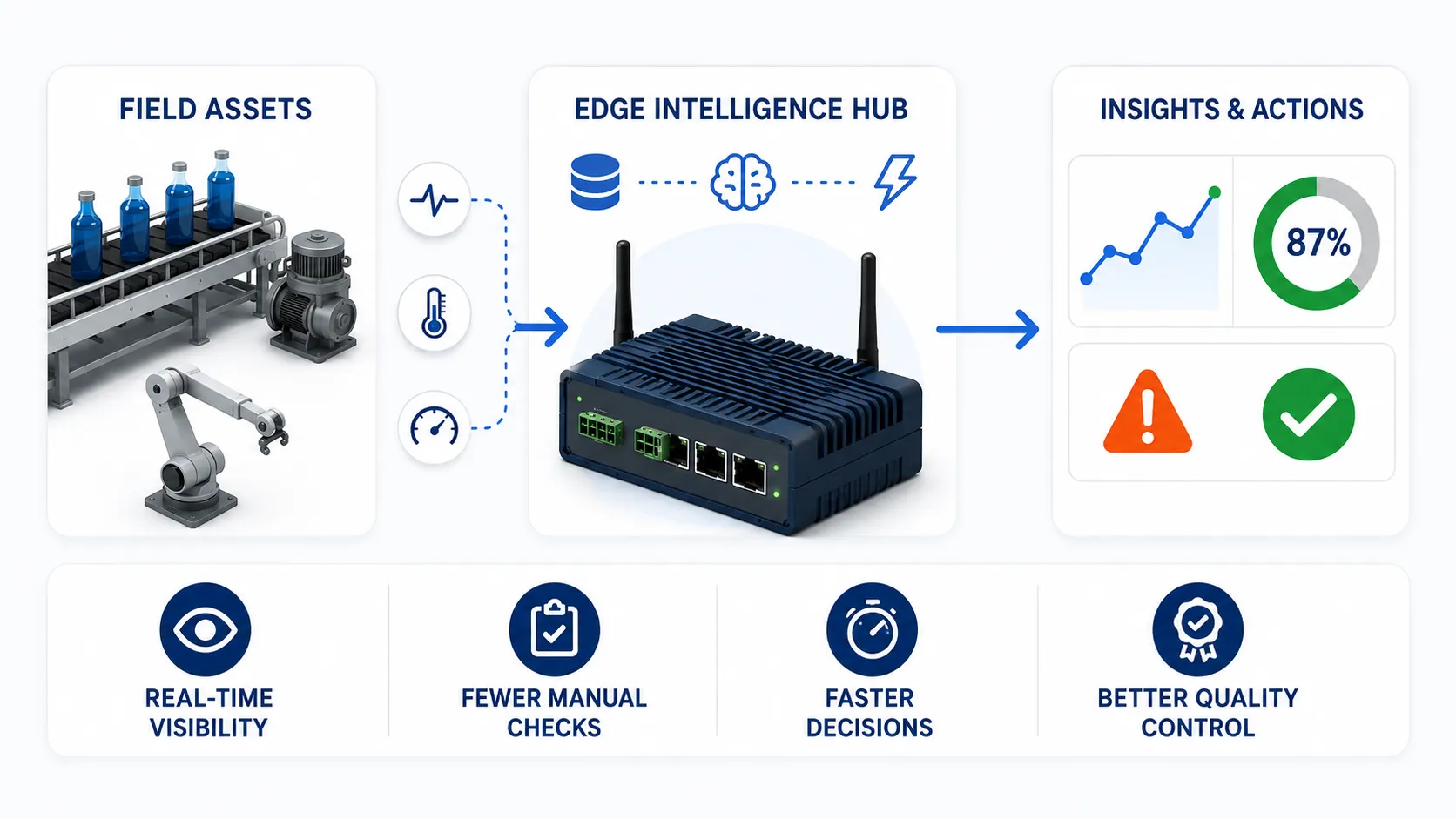
Connect weighing stations to production workflows and configure them automatically. Collect trusted weighing data during each batch without extra manual work. Protect official quality records and make them ready for audits. Turn measurements into dashboards, alerts and clearer operating decisions.
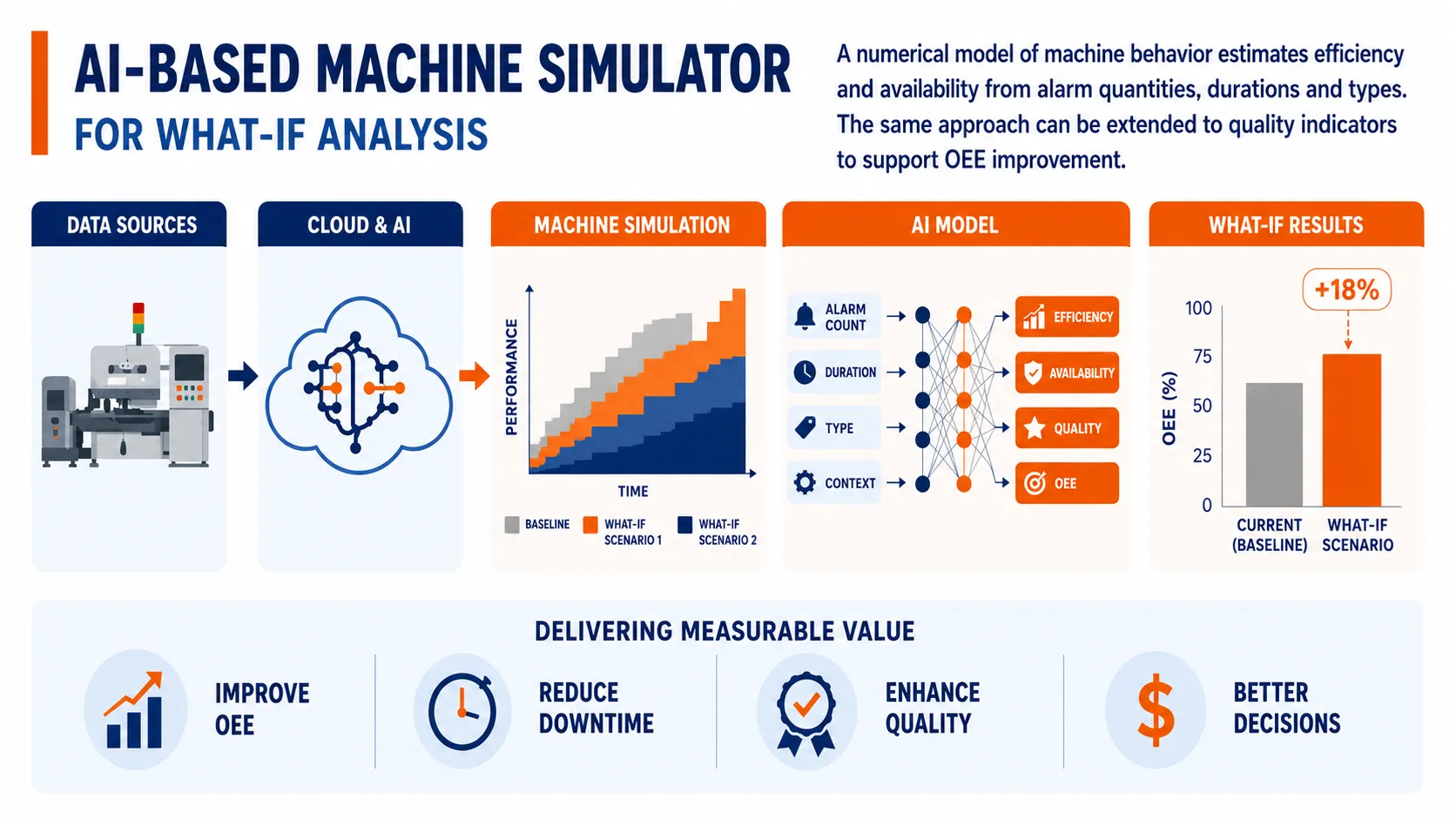
A numerical model of machine behavior estimates efficiency and availability from alarm quantities, durations and types. The same approach can be extended to quality indicators to support OEE improvement.
TomorrowData delivers vertical Artificial Intelligence solutions that work on machine settings, industrial time series, 3D surfaces, technical text and epidemiological indicators. The models are selected for the problem, not the other way around.
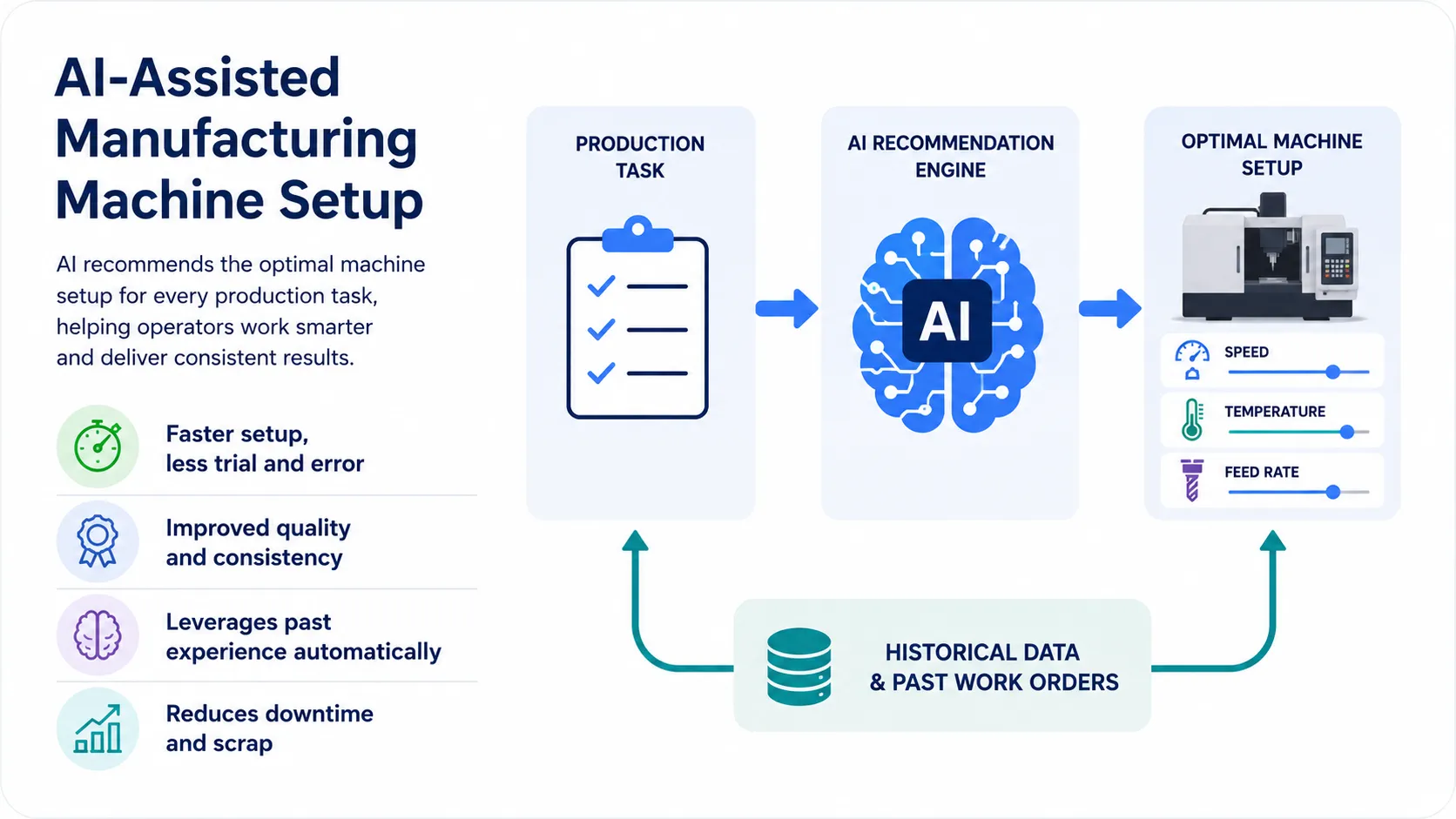
AI helps operators choose the right machine setup for each production task. By learning from previous configurations and work orders, the system suggests suitable parameters, reducing setup effort and supporting more consistent manufacturing outcomes.
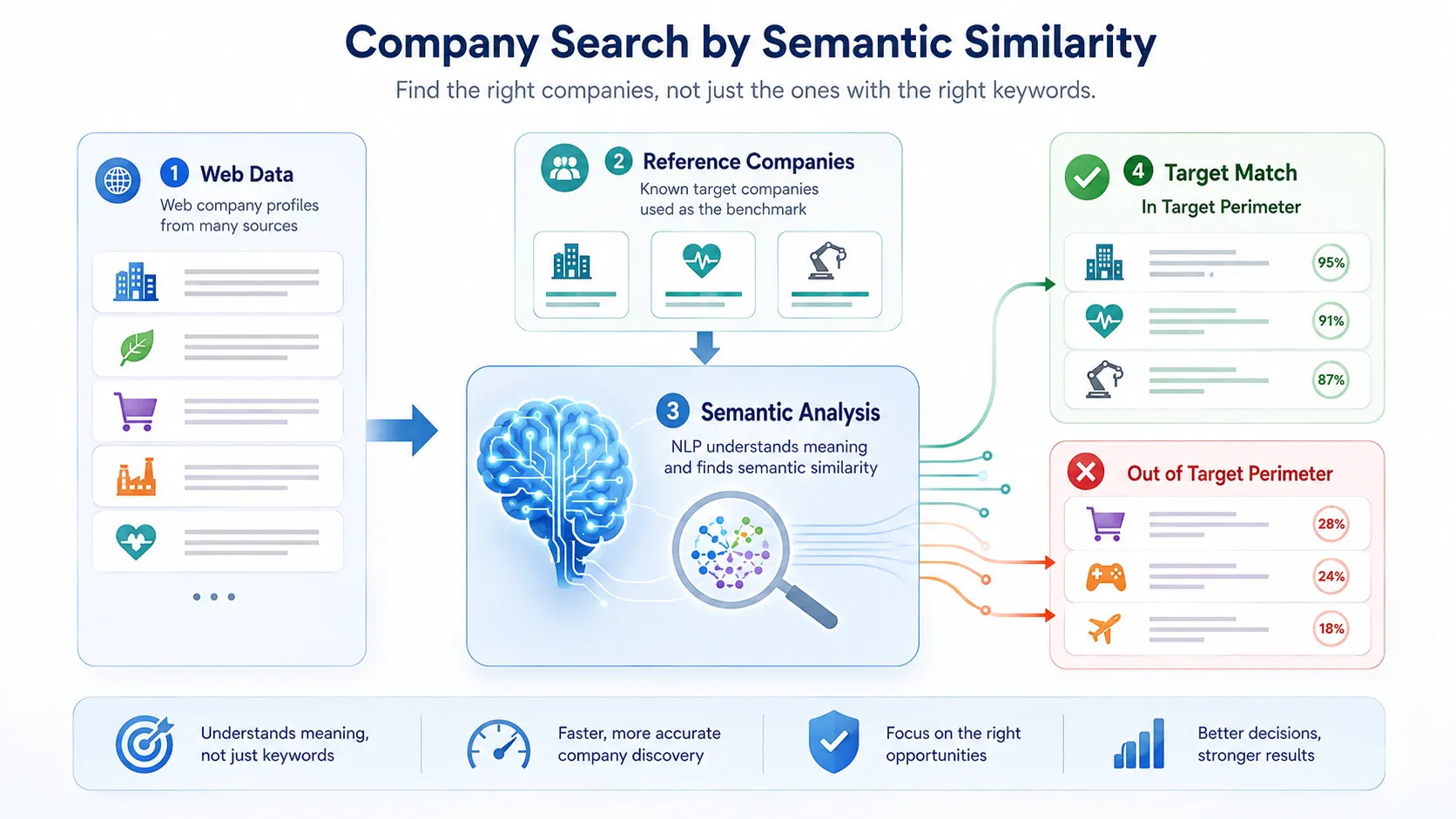
Web-scraped company descriptions are classified semantically against known reference companies. The output separates candidate companies that fall inside or outside the target perimeter.
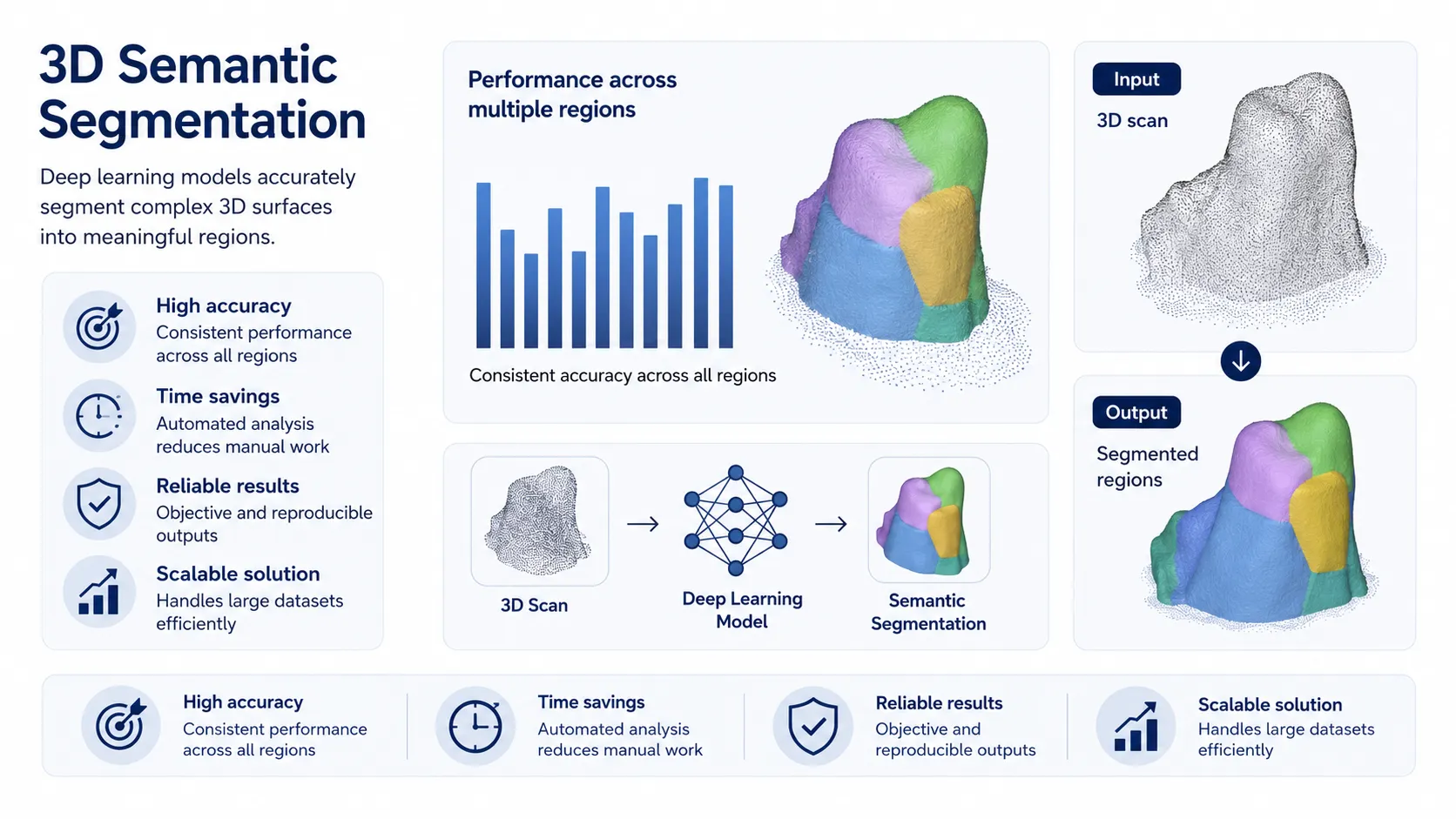
Deep learning models analyze complex 3D medical scans and identify meaningful regions automatically. The solution supports faster interpretation, consistent results, and scalable analysis across large datasets.
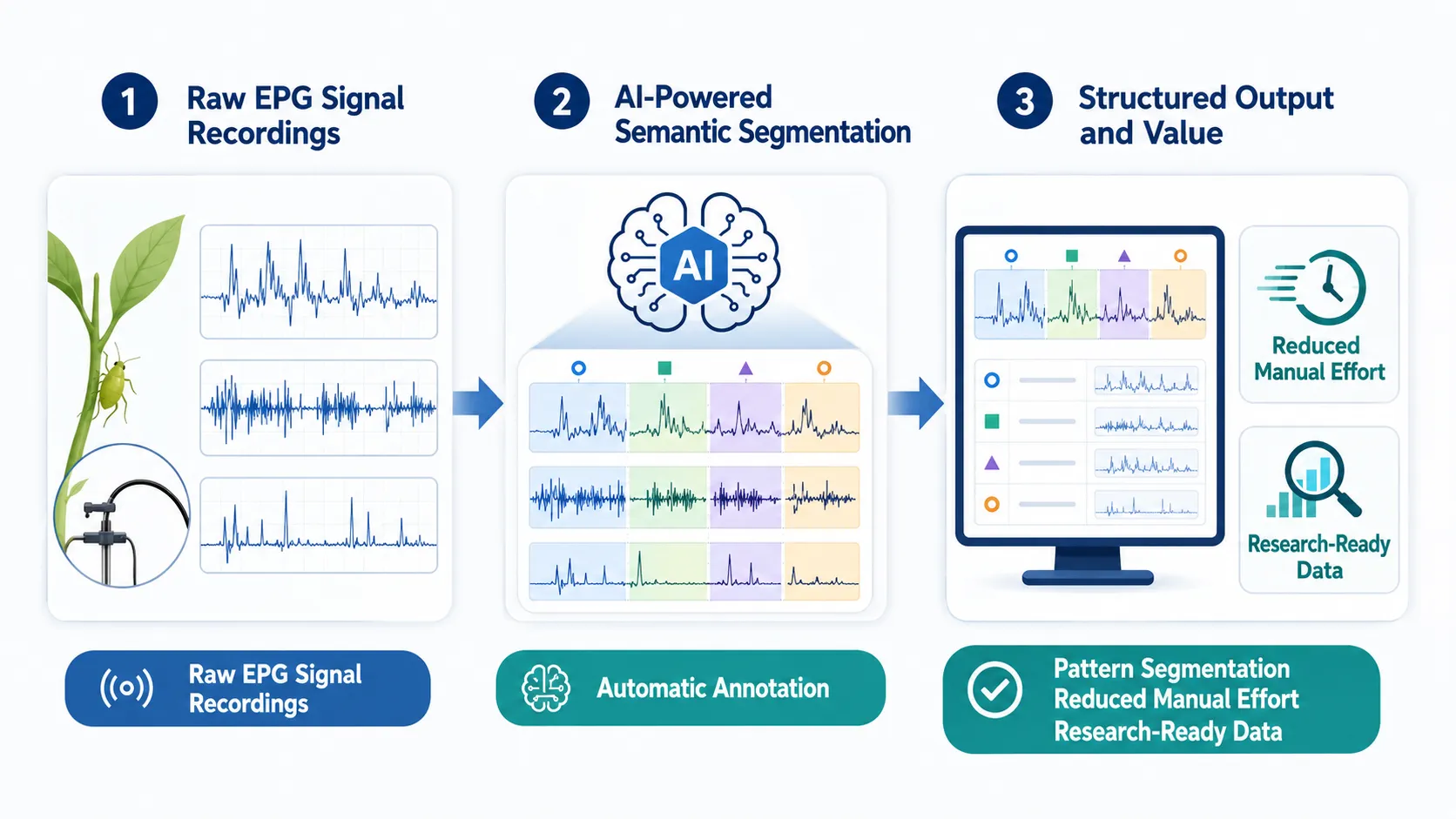
A machine-learning software solution automatically annotates recordings of EPG signals generated by insect-plant interactions, reducing manual labeling effort for domain experts.